





Whoa! I remember the first time I held a crypto card in my hand. It was thin, cool to the touch, and unassuming—like a credit card that had secretly been to boot camp. I’d been carrying seed phrases on a piece of paper (yeah, not my proudest moment) and half my friends had multi-step setups that felt fragile. My instinct said: this is an upgrade that actually gets daily life. Initially I thought hardware wallets had to be bulky and geeky, but then I realized somethin’ else was possible.
Here’s the thing. A lot of people imagine hardware wallets as little black rectangles with awkward cables. Really? In 2026 that still holds for some models, but card wallets changed the game. They slide into a wallet. They tap your phone. They don’t beg for a cable every time you want to check a balance. On one hand convenience matters—though actually security matters even more—and the elegance of a card makes you want to use it, which matters a surprising amount.
Okay, so check this out—let me walk through what card-style hardware wallets do well, what still bugs me, and how the tangem wallet card fits the niche for everyday crypto users. My goal here is practical: help you decide if a card-based NFC wallet should live next to your ID, or if it’s better boxed up on a shelf. Hint: there’s nuance.
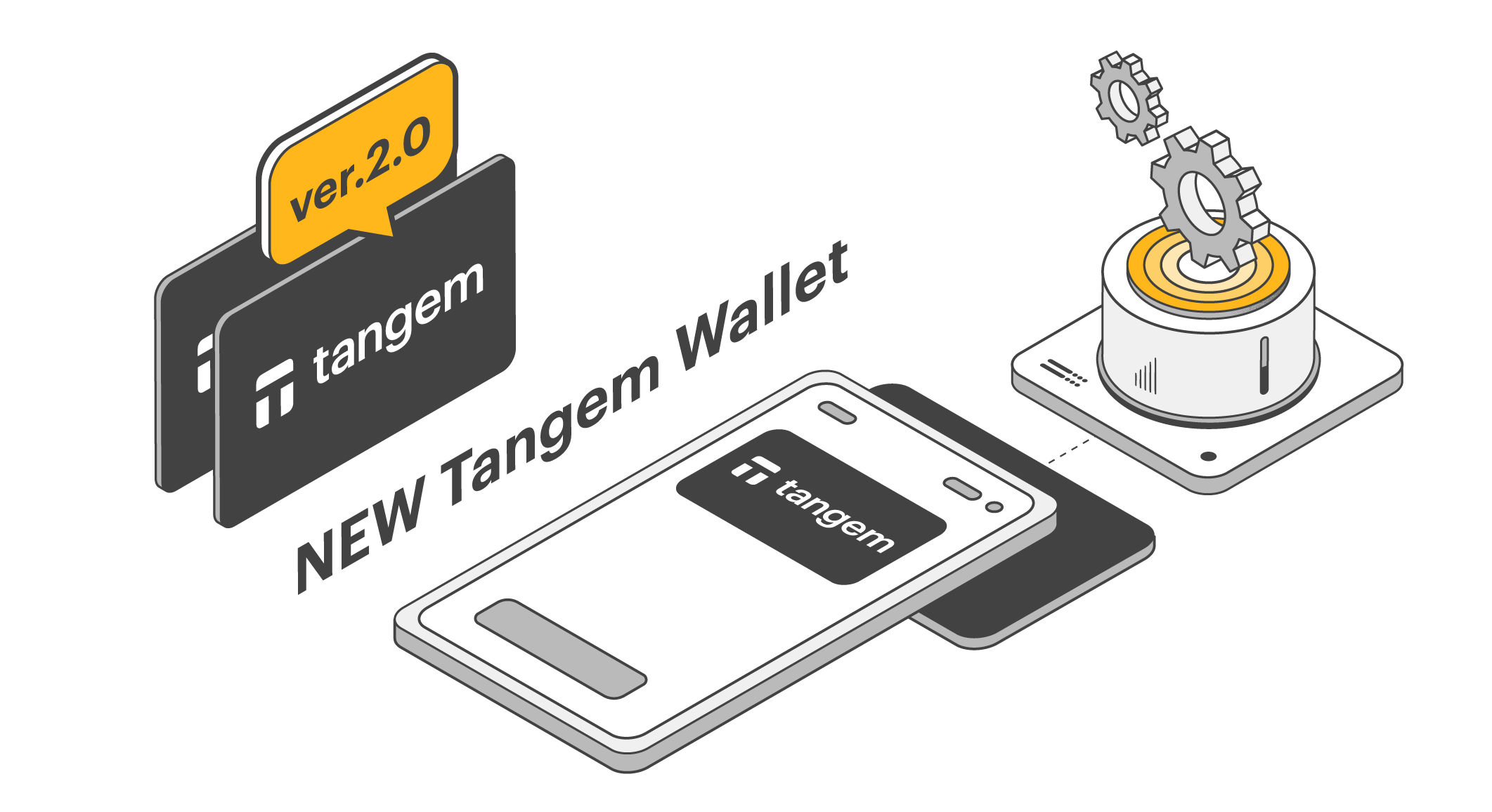
How a Tangem card feels in the wild
Short story—less friction. Seriously? Yes. I used a Tangem card at a coffee shop, and the seller’s NFC terminal looked at me like I was doing something futuristic. The payment didn’t go through, of course—this was a crypto move not a contactless credit transaction—but tapping my phone to confirm a signature felt as normal as unlocking my phone. The physicality is calming; you can hold your private key without memorizing a 24-word phrase. My first impression was purely emotional—relief—and that matters.
On the analytical side, the Tangem card uses secure element chips and NFC to sign transactions without exposing your private keys. Initially I thought the wireless bit was a risk, but then realized the design keeps the key isolated, and the phone is just a dumb terminal in that interaction. Actually, wait—let me rephrase that: the card does the heavy lifting cryptographically, your phone only asks it to sign, and the card refuses if the request looks off. That separation is very very important.
Here’s a quick list of practical upsides I noticed: near-zero setup time, physical portability (fits in a wallet), offline key storage, and straightforward recovery options if you buy multiple cards. On the flip side, there’s a tradeoff: if you lose the card and don’t have a backup, recovery can be painful. So yes, backups and redundancy are not optional—do not skip them. I’m biased, but I prefer having two cards: one active, one stored away.
Why NFC matters (and how it doesn’t magically solve everything)
Whoa! NFC is so satisfying. Tap, confirm, done. It beats fumbling with cables. But there’s nuance—NFC’s convenience doesn’t remove the need for deliberate security choices. My instinct said: « just tap everything, » and then I paused. On one hand, tapping reduces exposure to clipboard malware and compromised USB ports. But on the other hand, you must trust the phone app and the display of transaction details, which is an area that still needs user vigilance.
System 2 thinking here: I dug into the Tangem model and noted they embed the private key in the secure element, preventing extraction. Initially I worried about supply-chain attacks; then I looked at their tamper-evidence and manufacturing claims and realized that while no system is perfect, the card’s design reduces a broad class of remote exploits that plague hot wallets. Still, nothing replaces basic precautions—keep firmware updated, verify app signatures, and avoid dubious dApps that prompt signatures for somethin’ you didn’t intend.
One more practical thought: in places where I travel—like airports or coffee shops in Brooklyn—people are less likely to notice a card tap than a hardware dongle or an open laptop with a seed phrase on-screen. That small stealth factor is real. It’s not security per se, but it reduces social attack surfaces, which is a legit plus for everyday use.
Real workflows: day-to-day, travel, and long-term storage
My workflow evolved. At home I use a multisig setup for life-changing holdings. For small, active funds I keep a Tangem card in my wallet. Initially I thought putting everyday crypto on a card was risky, but then realized that the card lowers accidental exposure compared to a mobile hot wallet app that lives unlocked on my phone. My habit changed: I only sign on the card—no private keys on my phone. That difference made me less stressed.
When I’m traveling, the card is lighter and less conspicuous than a metal hardware device. One time at an airport TSA checkpoint, I took it out to show a boarding pass (oh, and by the way…) and almost left it in the tray. I caught myself though—don’t be that person. Seriously. Redundancy again matters: keep a backup card in a separate bag or safe deposit box.
For cold storage I still prefer multisig and geographically separated keys. Tangem cards can be part of that strategy—they’re excellent for one key among several. On the other hand, if you’re staking or interacting with many chains, check token support carefully. Not everything is supported out of the box, so plan ahead.
Where Tangem fits in the ecosystem
Initially I thought all card wallets were the same, but usage reveals differences—firmware policy, supported chains, developer ecosystem, and physical robustness. Tangem stands out for simplicity and accessibility. If you want a no-friction card you can tap and go, it’s one of the cleanest choices. Want a deeper dive into setup and official details? Check the tangem wallet info here and see how it maps to your use cases: tangem wallet.
On balancing tradeoffs: the card is great for user-friendly custody; it’s less flexible than a fully programmable hardware module for complex multisig scripts. So, for power users who want script-level control, pair the card with other tools. For most people who want simplicity, it’s a rare blend of physical security and UX polish.
FAQ
Is a card wallet like Tangem secure enough for most users?
Yes for most users. It isolates private keys in a secure element and uses NFC signing to keep keys offline. However, « secure enough » depends on your threat model. For very high-value holdings, consider multisig with diverse key types. I’m not 100% sure about every edge case, but generally it’s a strong option for everyday custody.
What happens if I lose the card?
Plan for that. Tangem supports backup cards and recovery flows; you should create redundancy before relying on a single card. If you don’t, recovery becomes complicated or impossible. Trust me—backups are boring but vital.
Alright, wrapping my thoughts but not wrapping everything up—there’s still more to explore. I left some threads on firmware updates and developer integrations because those areas are evolving quickly and they influence long-term trust. Something felt off when I first assumed wireless meant weaker security; that doubt pushed me to read whitepapers and ask developers hard questions. My conclusion? Card wallets like Tangem don’t replace all other hardware solutions, but they fill a huge gap: practical, day-to-day custody that people will actually use.
I’m biased toward tools that reduce friction without sacrificing core security. This card made me use good practices more consistently. Try one in the wild if you want a small, honest step up from seed phrases written on napkins. Hmm… someday we might look back and laugh at how clumsy we were, but right now this feels like progress.